Changing Marine Ecosystems: Biogeography of Habitat Shifts and Adaptation to Oceanographic Variability
Date
Thursday, November 20, 2025 – 09:00 to Friday, November 21, 2025 – 18:00
This event will be the fifth joint workshop between Tohoku University and OIST since 2021. This time, WPI-AIMEC (Tohoku U & JAMSTEC) is co-organizing the event. It will include presentations that provide an overview of the current status and challenges of research on the marine environment and marine ecosystems, to promote the exchange of knowledge among researchers from Tohoku University, JAMSTEC, OIST, as well as University of the Ryukyus, and the University of Hawai’i. A majority of presentations will be given by early career researchers, with ample time for discussion to consider future collaborations and joint funding applications.
The Asia-Pacific Region (APR) is a global hub of marine biodiversity, essential for global ecological stability and climate regulation. However, its ecosystems from extensive commercial fisheries to vital coral reefs face growing threats due to intense resource extraction and extreme climate events, such as marine heatwaves.
This Perspective article, led by an international collaboration (including Dr. Cheryl Ames), is the result of a seminar and workshop held at Tohoku University (Japan) in 2023. The goal was to address substantial barriers—including the vast diversity of cultures, languages, and management practices—that impede cross-national research efforts in the region.
The article concludes that these efforts are urgent and essential for supporting science-based policies and decisions, capable of confronting the escalating effects of climate change on the Pacific Asian marine systems.
“Without shared, high-quality data, our ability to detect patterns, predict outcomes, and guide effective action remains severely constrained.”
“A productive way forward is to build on regional initiatives that are already redefining how marine science is approached in the Asia-Pacific. This effort aligns with the goals of the World Premier International Research Centre Initiative-Advanced Institute for Marine Ecosystem Change (WPI-AIMEC), recently established at Tohoku University and Japan Agency for Marine-Earth Science and Technology (JAMSTEC), and a satellite campus at the University of Hawai’i, Manoa. WPI-AIMEC brings together researchers across disciplines to better understand and forecast marine ecosystem responses to environmental change, with a global scope but a particular focus on the Northwest Pacific.”
Find the Full Paper at Frontiers in Marine Science
Tohoku University stands at the forefront of tackling some of the most pressing global challenges, particularly those related to our planet’s changing marine ecosystems. The Tohoku University Integrated Report 2024 highlights groundbreaking research and initiatives that aim to understand and mitigate the impacts of environmental shifts on ocean life and beyond.
Unraveling Marine Ecosystems with Environmental DNA
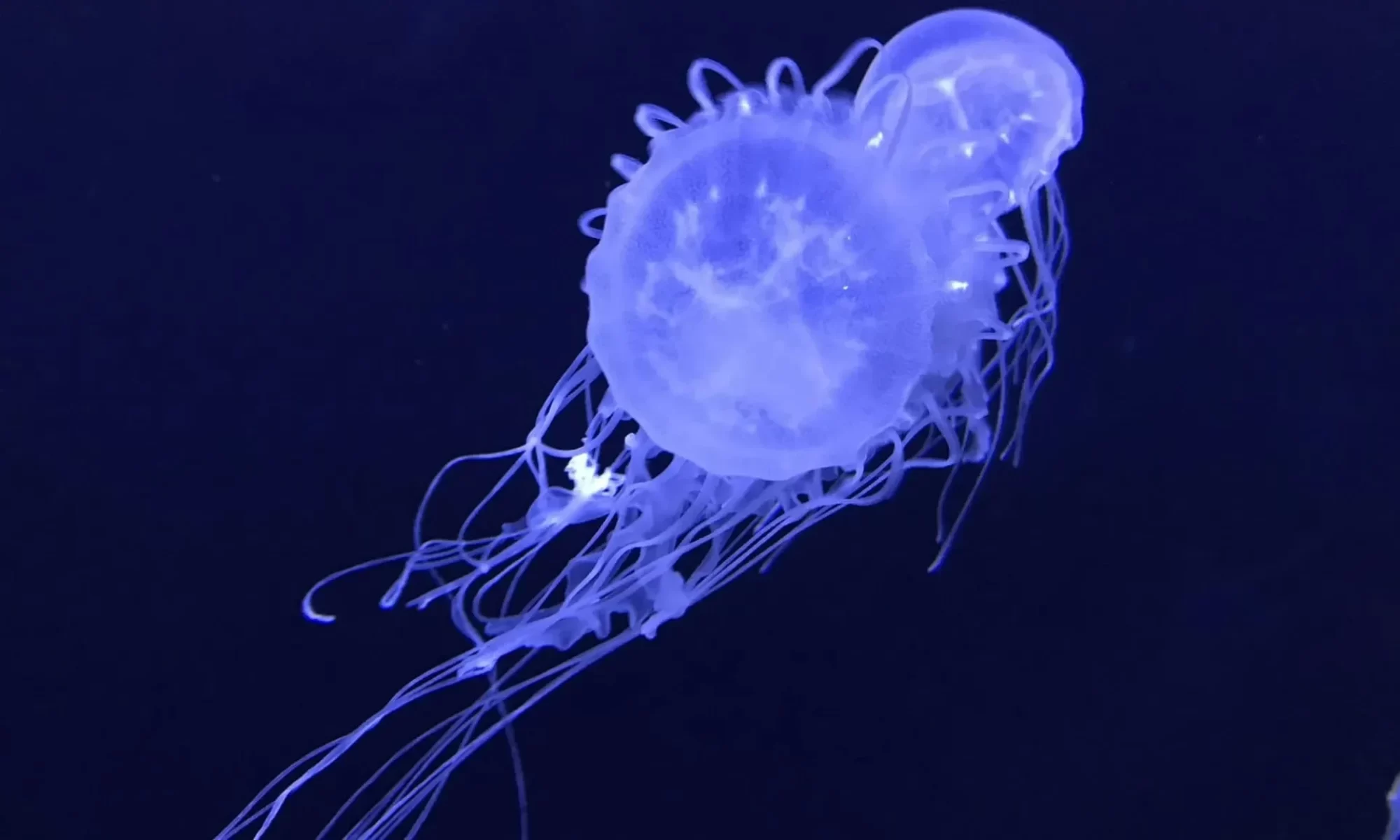
At the heart of marine research is Professor Cheryl Ames, Unit Leader/Principal Investigator at the Advanced Institute for Marine Ecosystem Change (WPI-AIMEC) and Professor at the Graduate School of Agricultural Science. Professor Ames’s research, which notably began with her fascination for jellyfish, has evolved into broader marine organismal studies utilizing environmental DNA (eDNA) analysis.
eDNA, collected from the environment (like seawater), provides a snapshot of all organisms inhabiting an ecosystem at a specific time, even revealing the environmental burden imposed by human activities. Professor Ames has developed a compact, portable eDNA detection kit, significantly reducing the time and cost associated with estimating jellyfish distribution over wide areas. This versatile kit can also be adapted to extract biological data from various other marine organisms.
Collaborations are key to this research. Professor Ames’s unit works with octopus fishers and wholesale auction centers in Minamisanriku, Miyagi, collecting eDNA to aid resource management in Shizugawa Bay and contribute to food sustainability. Further efforts are underway in Okinawa to develop rapid eDNA tests, crucial for regions where jellyfish damage impacts human health and tourism
Addressing Earth’s Changes and Shaping Ocean Life
WPI-AIMEC was established with a strong sense of urgency to decipher the mechanisms behind ocean warming and connect this understanding to projection models. The institute acknowledges the increasing vulnerability of marine ecosystems to rapid changes, suchando as rising global ocean temperatures and fluctuating ocean currents. Incidents like the mass outbreak of venomous Portuguese man-of-war in Miyagi Prefecture underscore the unprecedented phenomena occurring in our oceans.
Understanding the ocean requires an integrated approach, encompassing physics, chemistry, biology, and ecosystems, rather than isolated disciplinary studies. Tohoku University facilitates multidisciplinary research, bringing together diverse specializations to explore connections between sub-disciplines and gain a better understanding of the overall mechanisms of the ocean environment. The ultimate goal is to understand the relationship between the ocean and ecosystems, providing options for actions to build a sustainable society capable of adapting to environmental and ecological changes.
WPI-AIMEC aims to leverage AI to integrate various data types, enhancing our understanding of marine environments and the interactions between marine ecosystems and human society. The establishment of a centralized repository for valuable marine samples and their metadata (including eDNA sequences and images) is also a key initiative to invigorate marine ecology research. Outreach efforts include workshops for researchers and engaging elementary school students in eDNA sample collection to foster ocean conservation.
Tohoku University’s commitment to pioneering research in marine science, exemplified by Professor Ames’s work and the WPI-AIMEC initiative, is vital for a sustainable future.