“Thanks to the help of our international collaborators and access to curated museum collections, we were able to obtain specimens to unravel the mystery behind the complicated reproductive processes of these jellyfish.” Jimena Garcia-Rodriguez
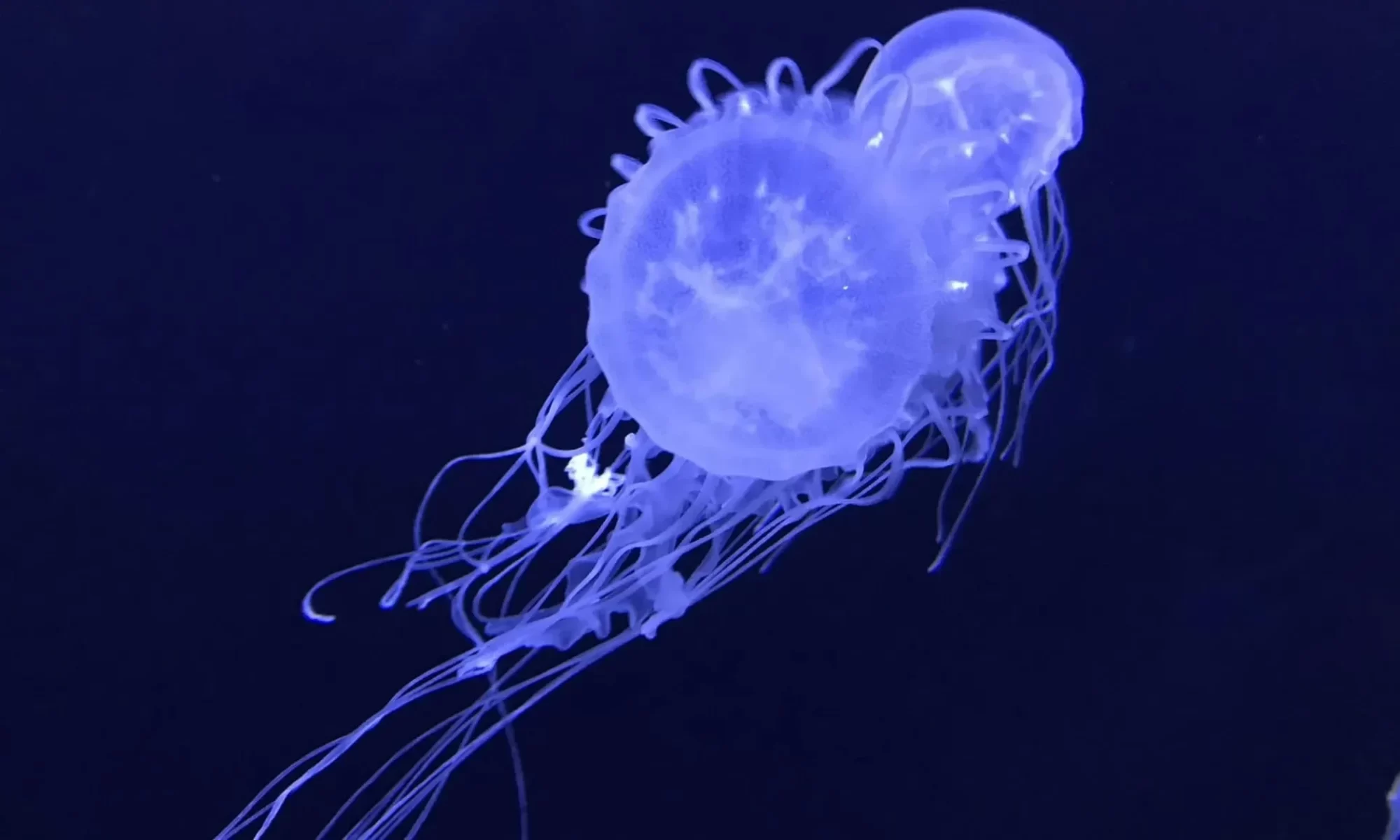
In this study, a research team examined reproductive traits of box jellyfish (Cnidaria: Cubozoa), by analyzing preserved samples from multiple species collected in different regions of the world. Using histology – a technique that allows researchers to study tissues at a microscopic level – they investigated how sperm and eggs develop. These results provide new insights into the reproductive biology of this poorly understood group and help explain how different species function within their ecosystems, which is important for managing their impact on coastal activities and improve predictions of when and where they will appear.
This international collaboration brings together researchers from Tohoku University, the University of São Paulo, the Smithsonian Institution, and European partners like University of Alicante. This work represents one of the most comprehensive studies of reproduction in box jellyfish to date.
New Lab Publication, Led by Dr. Jimena Garcia-Rodriguez
Cubozoa, a relatively small class within Medusozoa (Cnidaria), is distinguished by its complex sexual behaviors, setting it apart from other medusozoan classes. However, reproductive traits and seasonality remain poorly characterized for many species, largely due to difficulties in obtaining specimens. In this comparative histological study we describe the reproductive tissues (gonads) of males and females at multiple maturity stages across 15 cubozoan species, representing two orders, seven families, and eight genera. We document several reproductive traits: (1) variation in oocyte shape, including polygonal oocytes; (2) unidentified cytoplasmic inclusions within oocytes suggestive of undescribed component of vitellogenesis; (3) swollen gonadal structures in mature males, hinting at an uncharacterized spawning mechanism; and (4) a diverse repertoire of nematocysts within gonadal tissues, including putative nematoblasts in species of both cubozoan orders, indicating distinct developmental pathways for these organelles. Ancestral state reconstruction of three reproductive characters, viz. oocytes with unidentified cytoplasmic inclusions, the presence of nematocysts in gonads, and fertilization mode, suggests that all but the latter likely evolved independently within Cubozoa. By uncovering and characterizing these novel sexual traits in cubozoan jellyfishes, this study provides fundamental baseline data for comparative analyses aimed at elucidating the diversity and evolution of reproductive strategies across medusozoan taxa and their roles in spawning aggregations, also known as jellyfish blooms.
Behind every breakthrough and exciting discovery at the International Marine Science Lab is a dedicated, international team. We’re excited to introduce our new “Meet the Lab” page, giving you a closer look at the diverse talents, backgrounds, and personalities that make our research community so vibrant.
Learn about their expertise, their roles, and what makes our lab a place of great work and cutting-edge research.
Get to know our incredible team: You can access the page directly via the link below, or through the new “Meet the Lab” icon in our website menu!