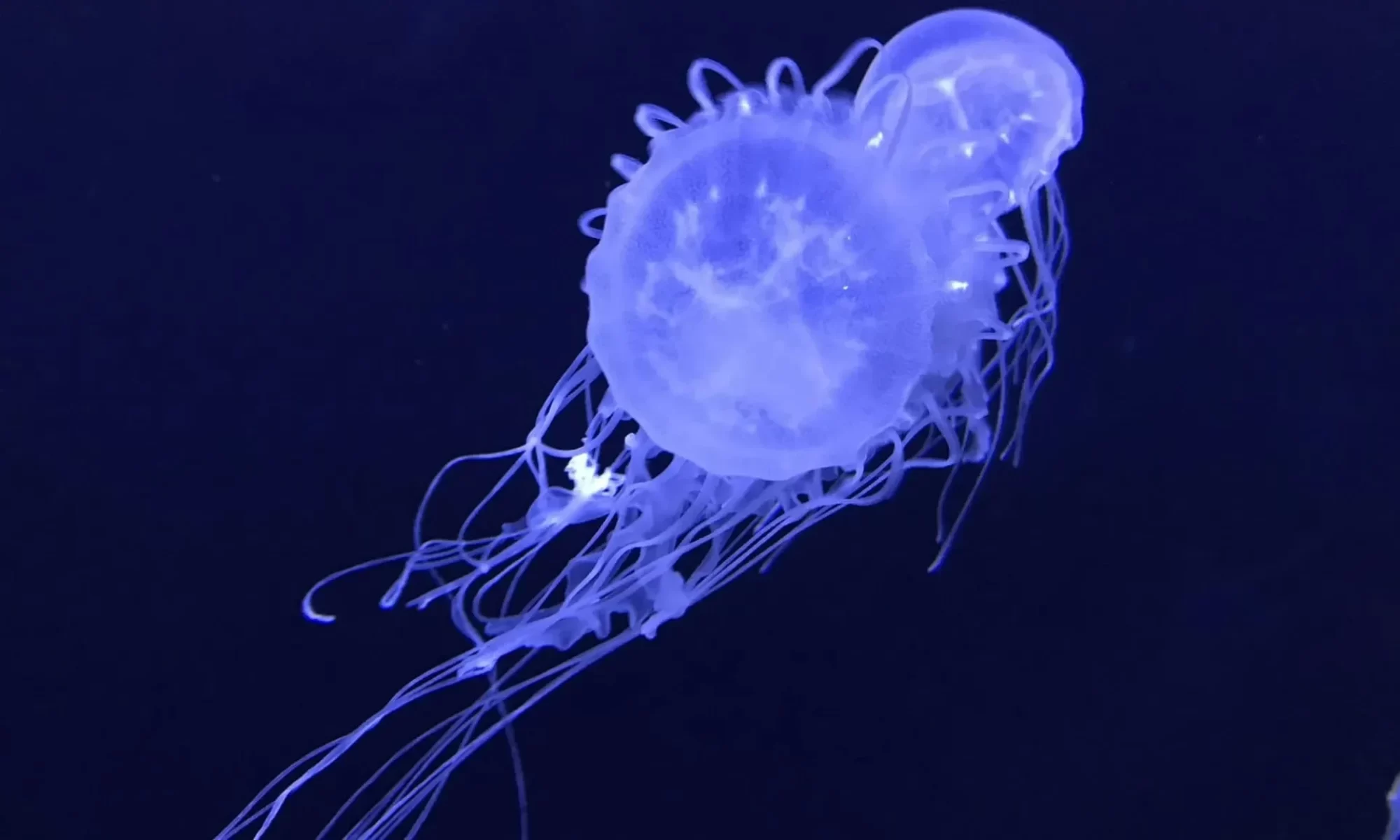

Tohoku University stands at the forefront of tackling some of the most pressing global challenges, particularly those related to our planet’s changing marine ecosystems. The Tohoku University Integrated Report 2024 highlights groundbreaking research and initiatives that aim to understand and mitigate the impacts of environmental shifts on ocean life and beyond.
Unraveling Marine Ecosystems with Environmental DNA


At the heart of marine research is Professor Cheryl Ames, Unit Leader/Principal Investigator at the Advanced Institute for Marine Ecosystem Change (WPI-AIMEC) and Professor at the Graduate School of Agricultural Science. Professor Ames’s research, which notably began with her fascination for jellyfish, has evolved into broader marine organismal studies utilizing environmental DNA (eDNA) analysis.
eDNA, collected from the environment (like seawater), provides a snapshot of all organisms inhabiting an ecosystem at a specific time, even revealing the environmental burden imposed by human activities. Professor Ames has developed a compact, portable eDNA detection kit, significantly reducing the time and cost associated with estimating jellyfish distribution over wide areas. This versatile kit can also be adapted to extract biological data from various other marine organisms.
Collaborations are key to this research. Professor Ames’s unit works with octopus fishers and wholesale auction centers in Minamisanriku, Miyagi, collecting eDNA to aid resource management in Shizugawa Bay and contribute to food sustainability. Further efforts are underway in Okinawa to develop rapid eDNA tests, crucial for regions where jellyfish damage impacts human health and tourism
Addressing Earth’s Changes and Shaping Ocean Life
WPI-AIMEC was established with a strong sense of urgency to decipher the mechanisms behind ocean warming and connect this understanding to projection models. The institute acknowledges the increasing vulnerability of marine ecosystems to rapid changes, suchando as rising global ocean temperatures and fluctuating ocean currents. Incidents like the mass outbreak of venomous Portuguese man-of-war in Miyagi Prefecture underscore the unprecedented phenomena occurring in our oceans.
Understanding the ocean requires an integrated approach, encompassing physics, chemistry, biology, and ecosystems, rather than isolated disciplinary studies. Tohoku University facilitates multidisciplinary research, bringing together diverse specializations to explore connections between sub-disciplines and gain a better understanding of the overall mechanisms of the ocean environment. The ultimate goal is to understand the relationship between the ocean and ecosystems, providing options for actions to build a sustainable society capable of adapting to environmental and ecological changes.
WPI-AIMEC aims to leverage AI to integrate various data types, enhancing our understanding of marine environments and the interactions between marine ecosystems and human society. The establishment of a centralized repository for valuable marine samples and their metadata (including eDNA sequences and images) is also a key initiative to invigorate marine ecology research. Outreach efforts include workshops for researchers and engaging elementary school students in eDNA sample collection to foster ocean conservation.

Tohoku University’s commitment to pioneering research in marine science, exemplified by Professor Ames’s work and the WPI-AIMEC initiative, is vital for a sustainable future.
To read the full document, Tohoku University Integrated Report 2024, click here. To access the original Japanese version, click here.