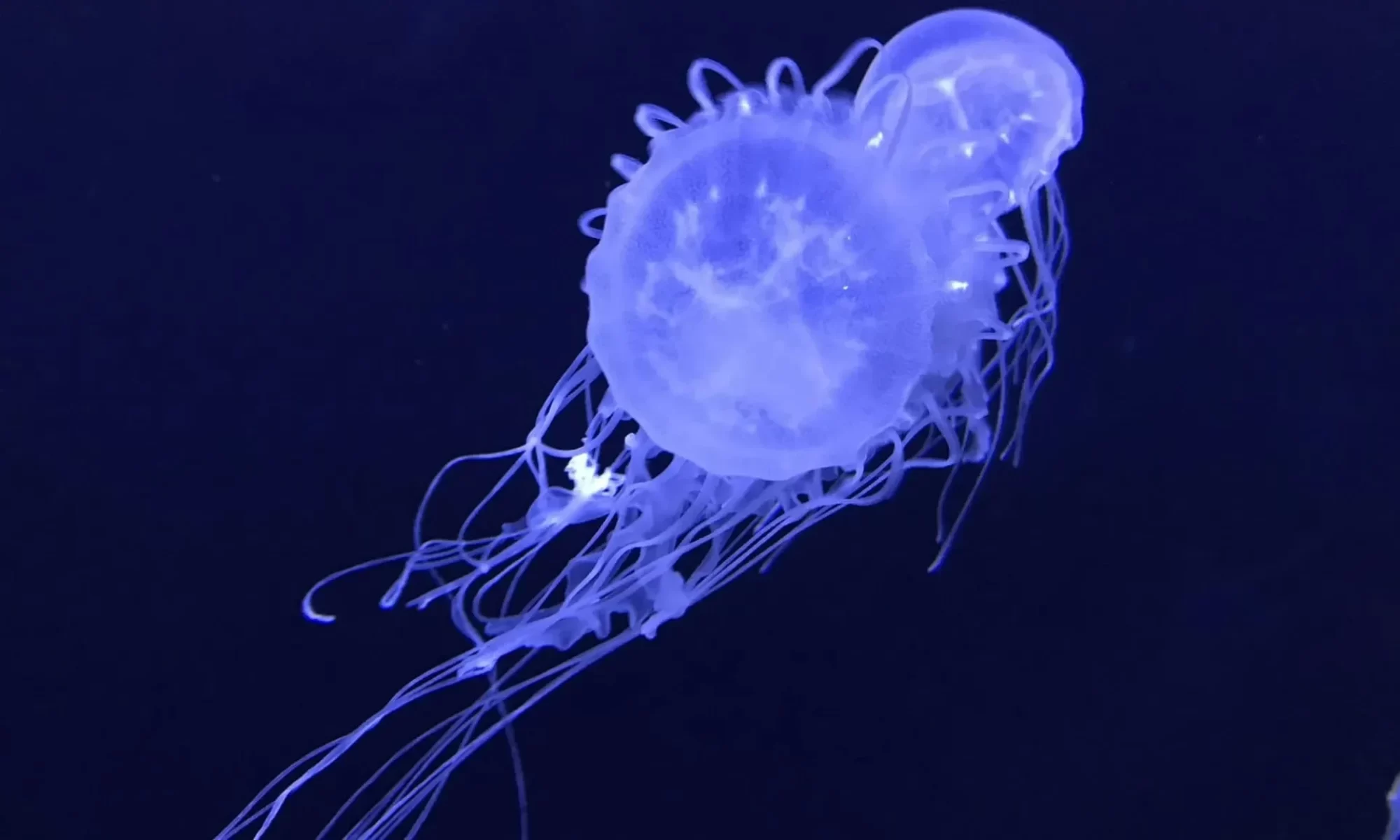
Dr. Cheryl Ames is pioneering accessible and rapid methods for tracking marine biodiversity, with a special focus on box jellyfish and shifting octopus populations.
She uses Environmental DNA (eDNA), a technique that involves analyzing trace amounts of DNA left behind by species in the ocean water. By employing a field-ready eDNA pipeline that includes portable equipment like the Bento Lab, Dr. Ames and her students can conduct on-site PCR and quickly assess species presence, making data generation reliable even in remote areas.
This method allows researchers to generate data for critical issues, such as predicting the presence of highly venomous jellyfish for public safety, and providing sustainable fishing advice to local communities facing dramatic shifts in octopus populations following the 2011 tsunami.
Dr. Ames is committed to making advanced DNA analysis affordable and accessible, ensuring the next generation of scientists can apply these crucial techniques in any environment, regardless of laboratory resources.
This post is based on the article published by Bento Lab.
Find the full content at theyr web site

Find eDNA related work done by the lab here